Lifesaving fire safety regulations are a legacy of a 1979 fire in Manchester that lives on today - unlike the 10 people who died in the disaster, writes Helen Hague.
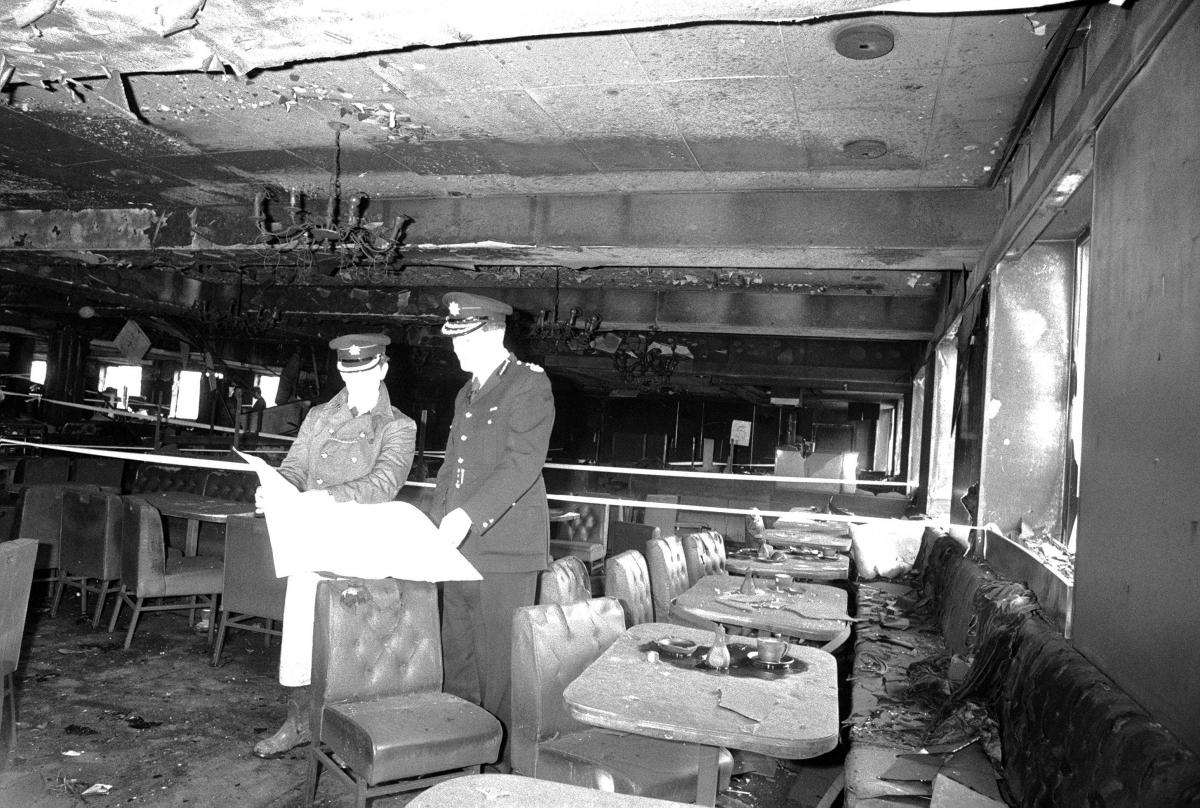
On 8 May 1979, toxic fumes from plastic foam-filled furniture killed 10 people and left 47 injured in the Woolworths store in Manchester city centre. It would – eventually – lead to new life-saving regulations making furniture less flammable and toxic.
On the bright Spring day, fumes were billowing out of the building as the first fire crews arrived at Piccadilly Gardens at 1.30pm – two minutes after the first 999 call. Firefighter Kevin Brown was among them. As they neared the back of the six-storey building, crews saw people waving frantically from the top floor, with some trapped behind iron bars on the second floor.
“We all knew Woolies. We grew up with Woolies,” says Kevin with no idea back then he would be representing the region on the union’s executive decades later. “People were screaming and shouting, crews had to cut through the bars and lead people out.”
There were around 500 people in the store that lunchtime – those who died were on the second floor, in and around the restaurant where furniture, stuffed with highly flammable polyurethane foam, was stored. It was the toxic fumes from plastic stuffing that claimed the lives of shoppers and diners that day.
Woolworth’s staff member Cyril Baldwin, 68, who had served as an auxiliary firefighter in the Second World War, was the only staff member to die – bravely trying to rescue shoppers.
News outlets blamed Woolworths for the deaths. According to the Woolworths Museum, a website, it was “an utter failure of management, a poor building with feeble precautions and untrained staff which had cost 10 innocent people their lives. Customers died while managers dithered.” But without highly flammable furniture stuffing there would have been no deaths that day.
Fire kit was more basic back then – “wellies and no gloves” as Kevin Brown recalls. He should know – after rescuing shoppers he had to leave the fire scene to get the steam burns on his gloveless hands treated in hospital.
Days before Woolworths caught fire, Manchester firefighter Mike Fordham, then 28, had moved to London as the union’s first national health and safety official. For Mike, getting toxic, flammable foam banned from furniture was deeply personal.
He was 18 years old when, early on Christmas Day 1968, his watch was called to a house fire in which five children died after foam furniture caught fire. They had opened their Christmas presents in the front room and gone back upstairs. A piece of wrapping paper later caught light and set the sofa on fire. When the door was opened, before the fire crew arrived, a gust of wind sent toxic flames shooting upstairs.
As “the junior man”, it was Mike’s job to “carry the five dead children out, wrapped in sheets. At 18, naive and new to the job, I’ve got to say that was massive,” says Mike. “We dealt with it in the traditional way – the crew took me out and got me absolutely paralytic.” It was an extreme instance of what many other firefighters had gone through.
"VIGROUS CAMPAIGNING BY THE FBU AND OTHER FIRE SAFETY EXPERTS, PAVED THE WAY FOR VITAL SAFETY CHANGES."
After the Woolworths fire, the need to get new regulations to stop people dying after inhaling toxic fumes from burning plastic had a new urgency. But it would be a tough slog. The fire took place five days after the election that took Margaret Thatcher to power. The tragedy was not enough to focus the minds of the new Tory government, ideologically committed to “cutting red tape” and “removing burdens on business” – not to mention strong lobbying from the furniture industry.
Vigorous campaigning by the FBU and other fire safety experts, including enlightened chief fire officers, paved the way for vital safety changes as the death toll from toxic plastic fumes continued to mount in the 1000s.
But it took nearly nine years after the Woolworths fire and the deaths of 17 more children, killed by toxic fumes in their own homes, for the government to act. Such numbers, when individual tragedies are bunched together, shock the public. It was a classic instance of the “stable-door” approach that had shaped fire safety legislation – change comes not only after the horse has bolted, but also after mounting public outrage at needless deaths.
COUNTLESS LIVES SAVED
The Furniture and Furnishing (Fire) (Safety) Regulations 1008 made people safer in their own homes and have saved countless lives. Under the new regulations, furniture would ignite less easily and burn more slowly and fire hazard warning labels on fabrics would be compulsory.
Woolworths fire veteran Kevin Brown doubts if firefighters would be able to respond so speedily to a fire on the same site today. “There were 10 appliances at the scene within 10 minutes when Woolworths caught fire,” he says. “Now, since the cuts, four of those appliances have disappeared.”
Mike Fordham retired from the FBU 12 years ago, after a lifetime campaigning for improved fire safety. As he watched the live TV footage of flames shooting up the sides of Grenfell Tower, his thoughts turned immediately to earlier fire tragedies.
“They’ve put the stuff we got banned from the inside of buildings on the outside of tower blocks … we got foam furniture banned for giving off horrendous toxic fumes and they went and lined the outside of tower blocks with similar stuff.”