
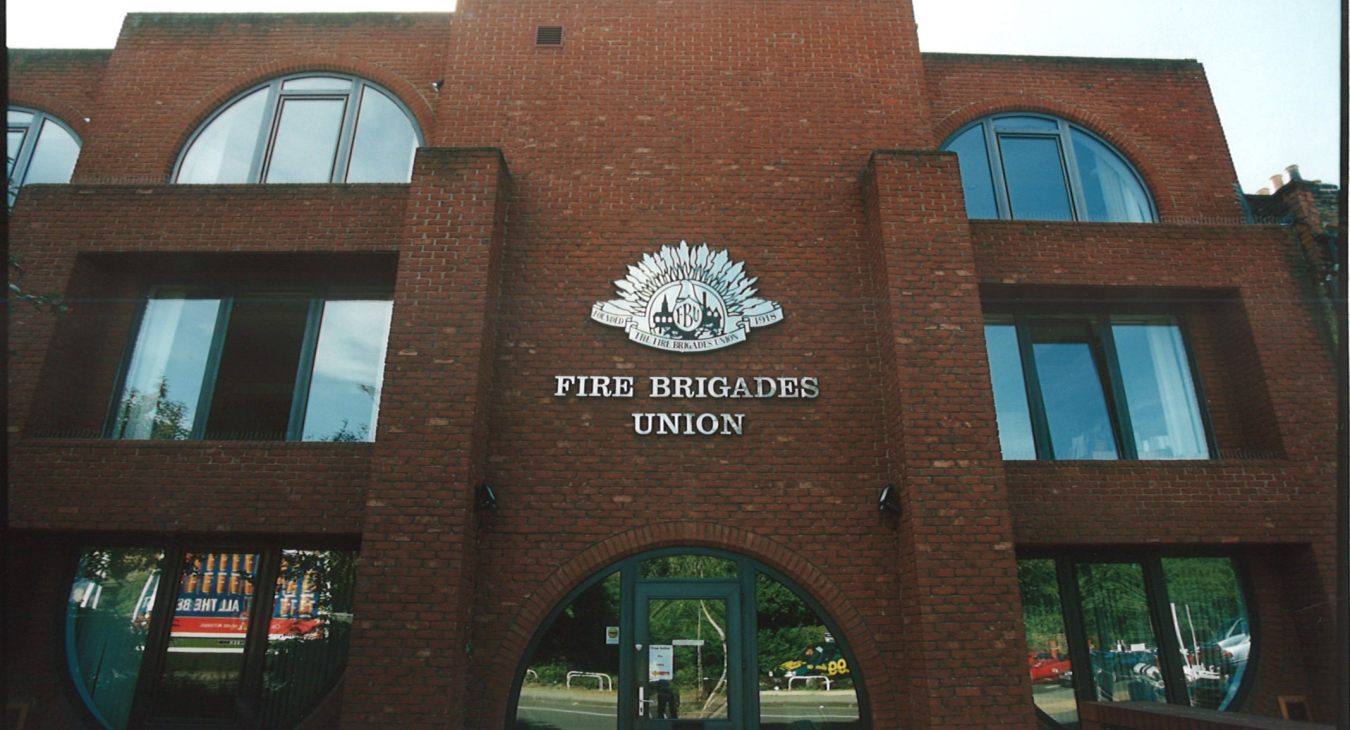
The Fire Brigades Union will be 100 years old in 2018. On a recent visit to the union’s archives, which are held at the Modern Records Centre at the University of Warwick, we found a first edition rule book which had belonged to Jim Bradley. Jim was FBU general secretary from 1922 to 1929 and he played a central role in founding the union.
This first rule book records the union as being founded on 1 October 1918. The legal registration required under the Trade Union Act was completed on 31 December 1918. The Firemen’s Trade Union was born, and it kept that name until 1930 when it was renamed the Fire Brigades Union.
Firefighters had attempted to form unions or join branches of other trade unions previously. But each attempt had faced firm opposition from both chief fire officers and the local authorities who were responsible for local fire brigades. The creation of a separate union for firefighters was not easy.
WE WANT TO ENSURE THIS IS YOUR HISTORY, RECORDING THE VOICE OF THOSE ON THE FRONTLINE
The climate changed at the end of the First World War. A wave of radicalism among workers across much of the world was reflected in growing numbers joining trade unions and burgeoning militancy.
Firefighters were not exempt from this, in Britain or around the world. There were already independent firefighter unions in Australia. In 1918, firefighters in North America formed the International Association of Firefighters (IAFF) – international because like many North American unions it organised in the USA and in Canada. Firefighter trade unionism was emerging worldwide.
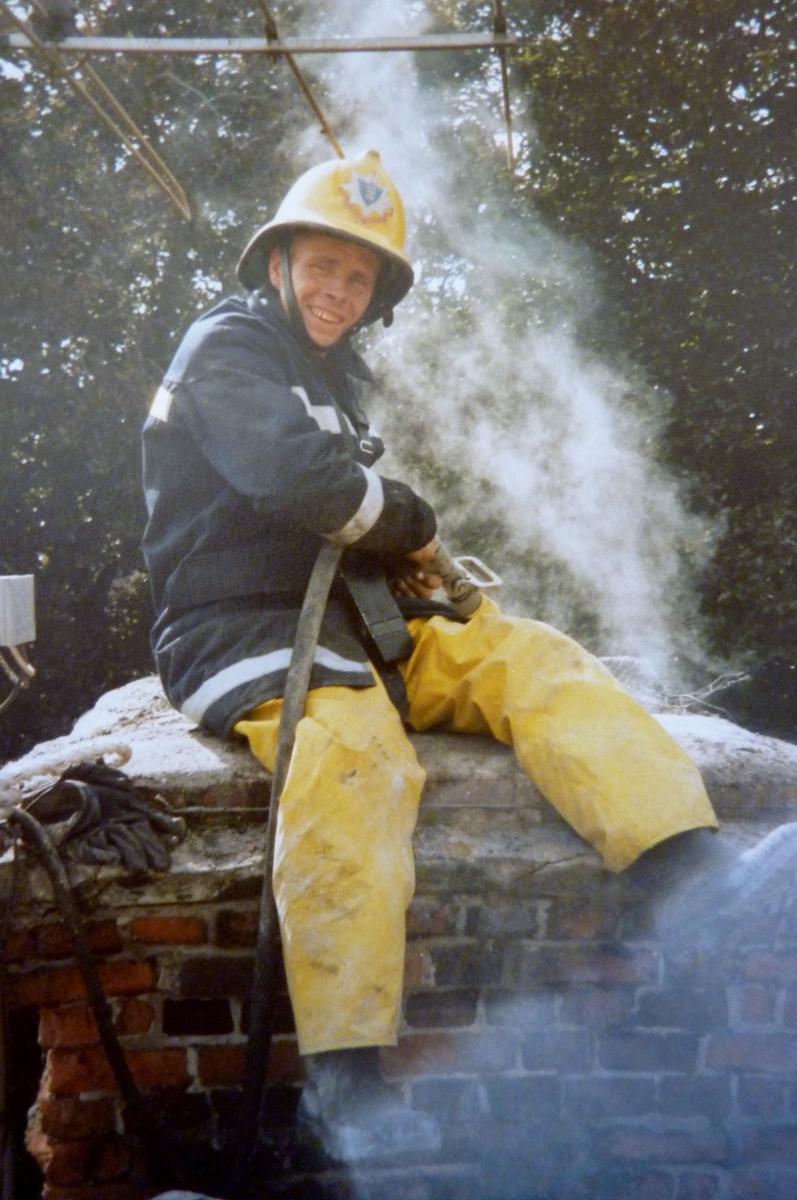
Looking back at early records, we can see that many of the issues that prompted firefighters to get organised in 1918 – duty systems, uniform, payments for detached duties – are still with us, albeit in different forms.
Looking at key turning points in our history, we can see how the development of our union is inextricably linked to the development of the fire service itself and of the firefighting profession as a distinct and unique area of public service.
The men and women who built our union faced huge challenges, facing victimisation or legal hurdles at various times. What kept the union going was the closeness of the workforce born out of shared experiences and shared risks.
If we want to know where we need to be heading, we also need to know where we came from. It is with this in mind that the executive council has started to put in place plans for 2018, the centenary year.
They will include publications, events and other communications. We should remember those who went before us, the struggles they fought and the battles they endured to improve things for those who were to come after as they built a better fire service for our communities. But we also want to mark more generally the role of firefighters in society and the contribution they have made, and continue to make, to keeping society safe.
Our centenary project needs to record the voices of those on the front line. It cannot simply be a record of conferences, meetings and general secretaries. Our union was built by firefighters and we want to ensure their voice is heard.
Therefore we are making an appeal to current and retired firefighters to think about what you can contribute.
- Do you have records, letters or photographs which say something about our history?
- Were other members of your family FBU members? Do you have records which may be of interest?
- Do you have records at your station or elsewhere locally which may be of help in developing our project?
- Are you in touch with retired members who may be able to help with memories or anecdotes, photographs, or other records?
We want to ensure this is your history, recording the voice of those on the front line. It’s a fascinating story and one we should be very proud of. Let’s get ready for 2018.
If you are able to share any material with us please contact: [email protected]

