The FBU was born at a time of social upheaval, when London police officers were on strike during a world war, writes Helen Hague.
When thousands of striking police officers marched on Downing Street in late August 1918, women’s suffrage campaigner Sylvia Pankhurst sensed revolutionary fervour in wartime London. Police were demanding not only better pay and conditions, but also recognition for their newly militant union. “The London Police are on strike! Anything can happen now!” she declared.
Weeks later the Firemen’s Trade Union (FTU) – bar wartime, the service was exclusively male back then – was registered with the trade union certification officer.
It may not match the drama of police downing truncheons amid widespread industrial strife with the whiff of revolution in the air. But these two events in the closing months of World War 1 mark key moments which helped shape the story of collective organisation in the UK’s uniformed emergency services.
The wartime police strike alarmed the government which was relying on the police to keep increasing industrial unrest under control.
Prime minister Lloyd George met representatives of the striking police and offered a generous pay deal. But talk of union recognition during wartime was ruled out. The strike was over in 36 hours.
“Victory” for police union militancy proved hollow. After a damp squib of a strike call for union recognition in peacetime, parliament had, within a year, banned police from striking, dissolved their union and replaced it with the Police Federation, a no-strike staff association. There have been no police strikes since.
POLITICAL ACTIVIST
But the centenary of the FTU – renamed the Fire Brigades Union in 1930 – will be celebrated in 2018. Jim Bradley, a former London park keeper turned union official and political activist, played a key role in the union’s early days as assistant general secretary and, from 1922 to 1929, general secretary.
He had never been a firefighter, but was born and brought up above Great Portland Street fire station – his father was a fire engineer in the LFB.
Bradley was secretary of the firemen’s branch of the National Union of Corporation Workers in London when the police strike kicked off.
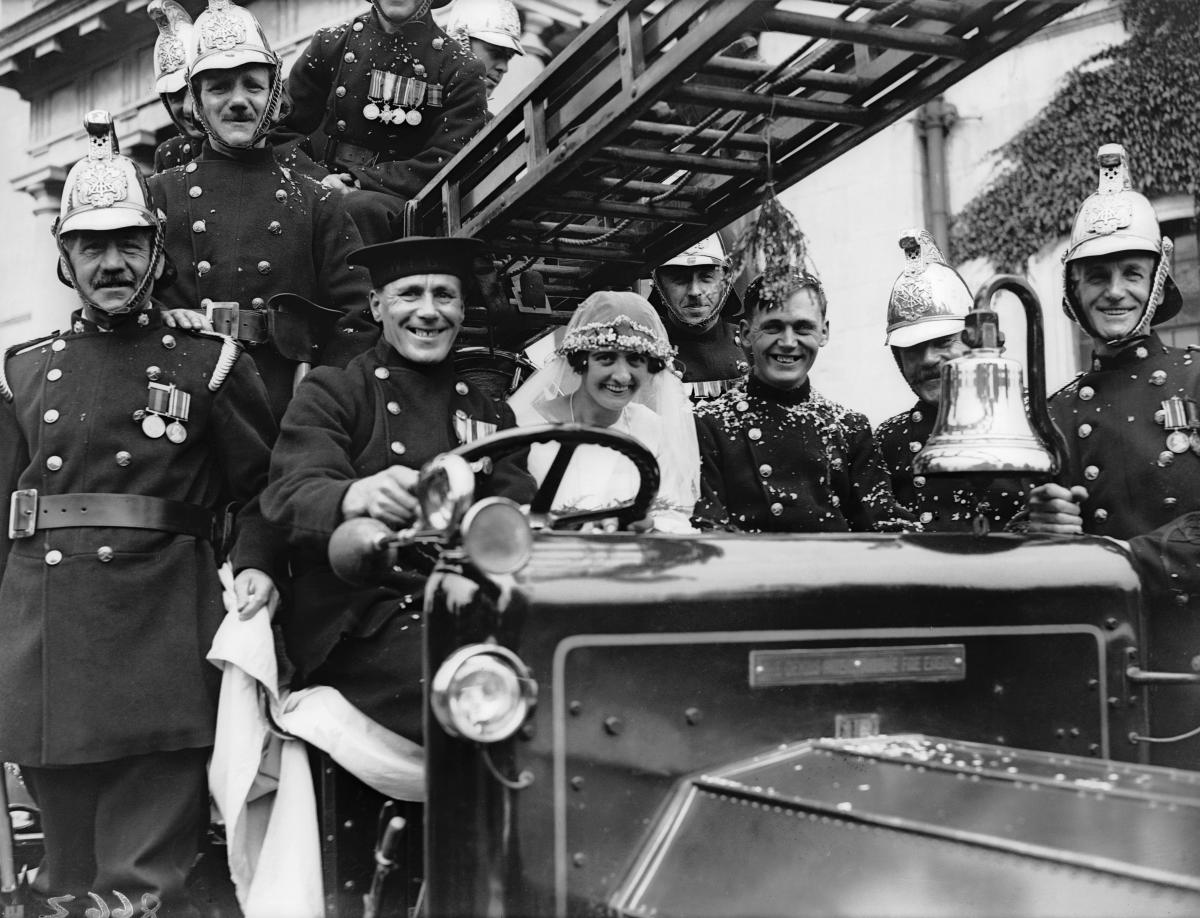
The war had left firefighters and police struggling with rising bills. London firefighters were getting restless, fed up with continuous service, and the social isolation that came with living on stations.
Sons, including returning soldiers, had to leave the family home at 18. Before the war, firefighters had been midway between labourers and mechanics in the wages league. By April 1918 they were considerably below both wage grades. Straight after the first police strike Bradley seized the moment and organised a secret ballot on strike action over pay and conditions.
INDUSTRIAL UNREST
London County Council recognised many unions, but was hostile to granting recognition to a firefighter’s union. Government felt the same.
Against the backdrop of continuing war and industrial unrest, it was intent on averting a firefighter’s strike.
Through arbitration, Bradley and his men won the right to a representative body (RB) for London firefighters. But it fell well short of union recognition.
Firefighters were not allowed to sit on the representative body. But, crucially, the set-up allowed an outsider – Bradley – to act as the firefighter’s spokesman. But not in his capacity as a union official. The union’s committee doubled up as the “RB” committee in a bizarre and unacknowledged mirror image.
The fiction that there was no link was maintained for many years, but the union committee called the shots on the workers’ representative body. The FBU was not officially recognised in London until after the Second World War.
Immediately after the RB was set up, Bradley and the London firefighters joined the FTU – then just a small welfare society representing 210 firefighters. At the end of 1918, the union affiliated 940 members to the London Trades Council. By the end of 1919 the FTU had nearly 2,000 members.
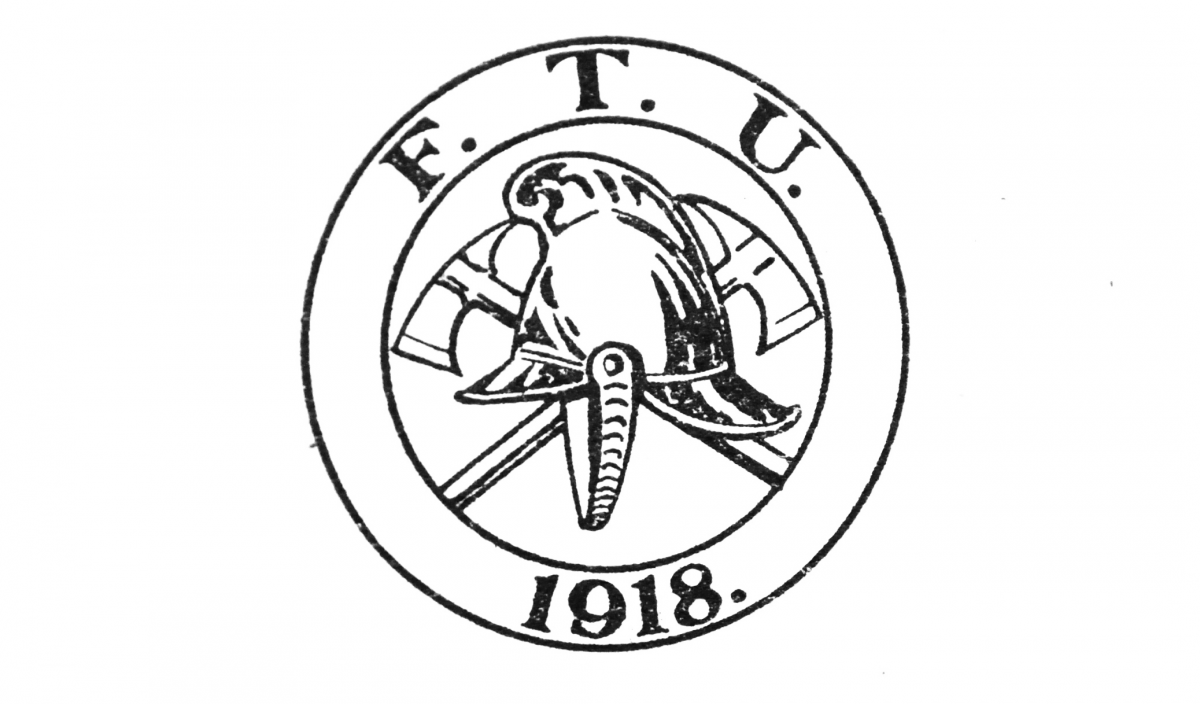
At last there was a union to champion the specific needs of firefighters. Although London firefighters dominated, there was scope to reach out to those in provincial towns and rural areas to build national unity. The unambiguous FTU was a welcome break from the clunky acronyms many unions were lumbered with at the time.
The move provided Bradley with a platform to campaign nationally, which he used to great effect in 1920 when giving evidence to the Middlebrook inquiry on firefighter’s pay and conditions.
The tough life of firefighters back then was made even more gruelling by the way they were forced to live. When “strangers” were barred from fire station recreation rooms, firefighters were, Bradley told the Middlebrook inquiry, “just as much isolated as if they were at sea”.
Until 1899 recruitment for the London Fire Brigade was restricted to seamen
Later, he spelt out just how wearing continued close contact can be – the downside of watch camaraderie, seeing the same faces and hearing the same yarns, day in, day out.
The feeling of being “at sea” resonated with firefighters of the time who had strong seafaring traditions – until 1899 recruitment for the fire brigade in London was restricted to seamen, all well versed in drilling, uniforms and discipline.
Thanks to Jim Bradley’s nifty footwork, and the threatened strike of course, firefighters now had their own union – small, London dominated, but with great growth potential. Eventually. Most major brigades then were part of police forces. As police constables, “fire bobbies” were banned from joining a union.
It seems fitting that FBU head office is named after a general secretary raised on a fire station. Along with union activists, Bradley prepared the ground for a national firefighters’ union poised to both fight for members’ interests and play an increasing role in Britain’s labour movement.
But it wouldn’t be an easy ride …