
Firefighters need resources to keep public safe from emerging risks of e-batteries and climate change, says the leader of the Fire Brigades Union.
The Office for Product Safety recently reported that there were at least 211 e-scooter and e-bike fires last year, including five that caused fatalities. The figure in 2020 was 26.
Most of the e-bike and e-scooter fires reported last year were in London, and the true national total is certain to be higher since it is based on voluntary reporting by regional brigades.
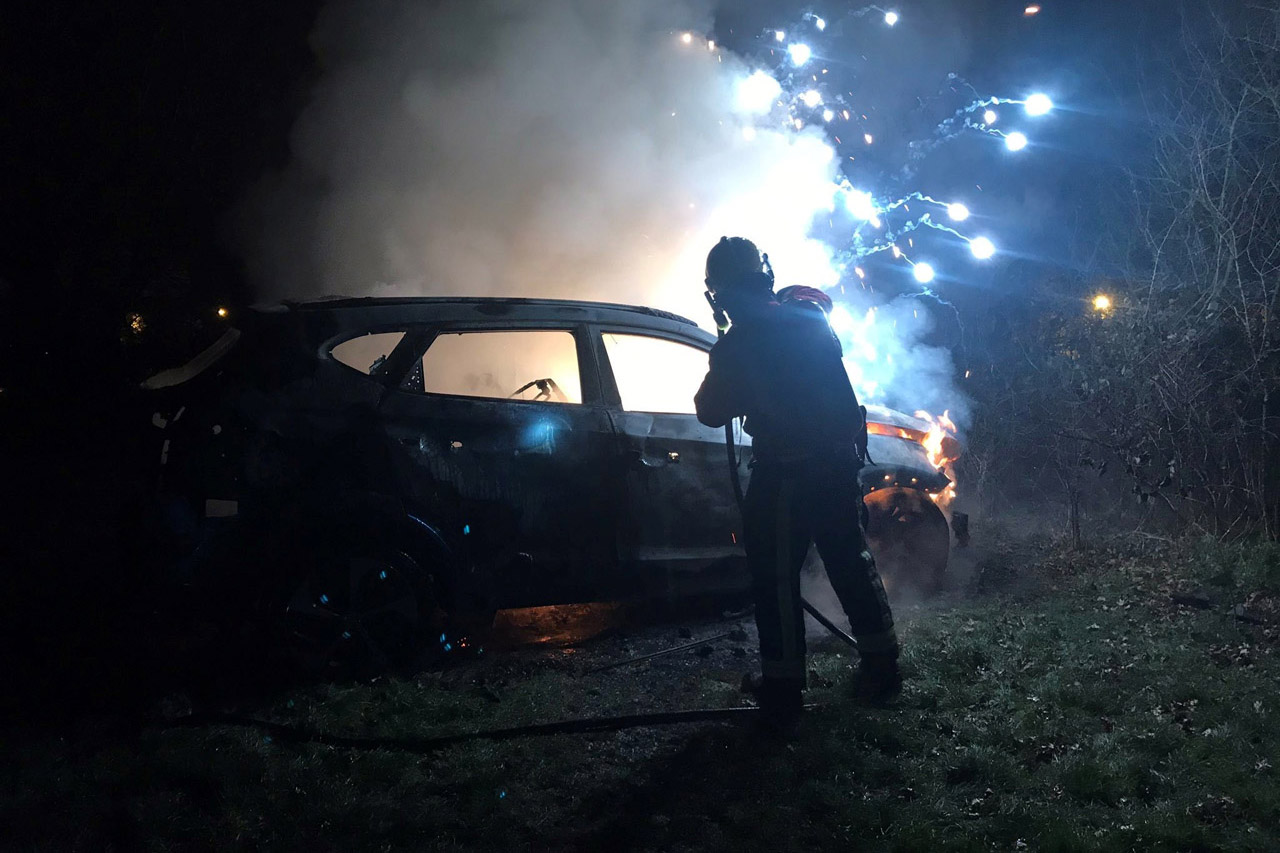
Lithium-ion battery fires are particularly challenging to extinguish, potentially causing explosions and the release of flammable gasses.
Alongside an increase in flooding and wildfire incidents fuelled by the climate crisis, these challenging incidents will continue to put pressure on the fire and rescue service in coming years.
Despite increasing pressures, 1 in 5 firefighter posts have been lost to cuts since 2010. As a result of lack of investment fire service response times in England have slowed by over three minutes since the 1990s.
Steve Wright, Fire Brigades Union general secretary said:
Our equipment needs to keep pace with the advances in technology, and so does the training of firefighters that’s been cut over the years. Cars are more advanced, and lithium-ion battery risks are going up.
[Meanwhile] attendance to climate-related incidents has increased. I know there are climate change deniers in Reform, and I would love to have that argument all day with them because I’ve been on the front line. We’re attending more floods, more wildfires.
And because we are taking three-and-a-half minutes longer [to respond] compared with the mid-90s, fires are more developed. Firefighters’ safety has been compromised with the safety of members of the public.”
