
The National Joint Council has agreed an increase in pay rates of 1%, applying from 1 July. A central policy of the Tory government, the public sector pay squeeze means FBU members and their families have seen living standards fall since the financial crash.
The anger over this was reflected at our conference in May, when delegates argued that, clearly, this situation cannot continue. There are broadly two approaches to challenging the pay freeze. We have agreed to prepare for both.
First, we need to be part of a broad campaign to defeat pay restraint, with serious discussions about co-ordinated industrial action with other trade unions. Everyone involved would need to be clear about the scale of struggle needed to defeat the government.
The second approach is no easier and has no guarantee of success – discussions with the government about the range of work our members undertake and the need for investment in this.
These discussions have included the five NJC workstreams which we have previously reported on.
We have held initial discussions with the Home Office and are seeking similar talks with ministers elsewhere in the UK, making the case for investment into our service rather than cuts – such investment would support the protection of our service and the increases in pay our members need.
None of this is easy, as you will appreciate, but we continue to make the case. Over the next few months these discussions will clarify the position on all sides. Later this year we should be in a position to report back in more detail whether progress has been made.
FLOODS – MAKING THE CASE FOR THE FIRE AND RESCUE SERVICE
I recently presented evidence to the House of Commons environment, food and rural affairs select committee on future flood protection.
Flooding, and our response to it, is now a central part of the work of our service. Yet the FBU was the only fire service body to submit written evidence to this inquiry and therefore we were the only organisation to be called to give verbal evidence.
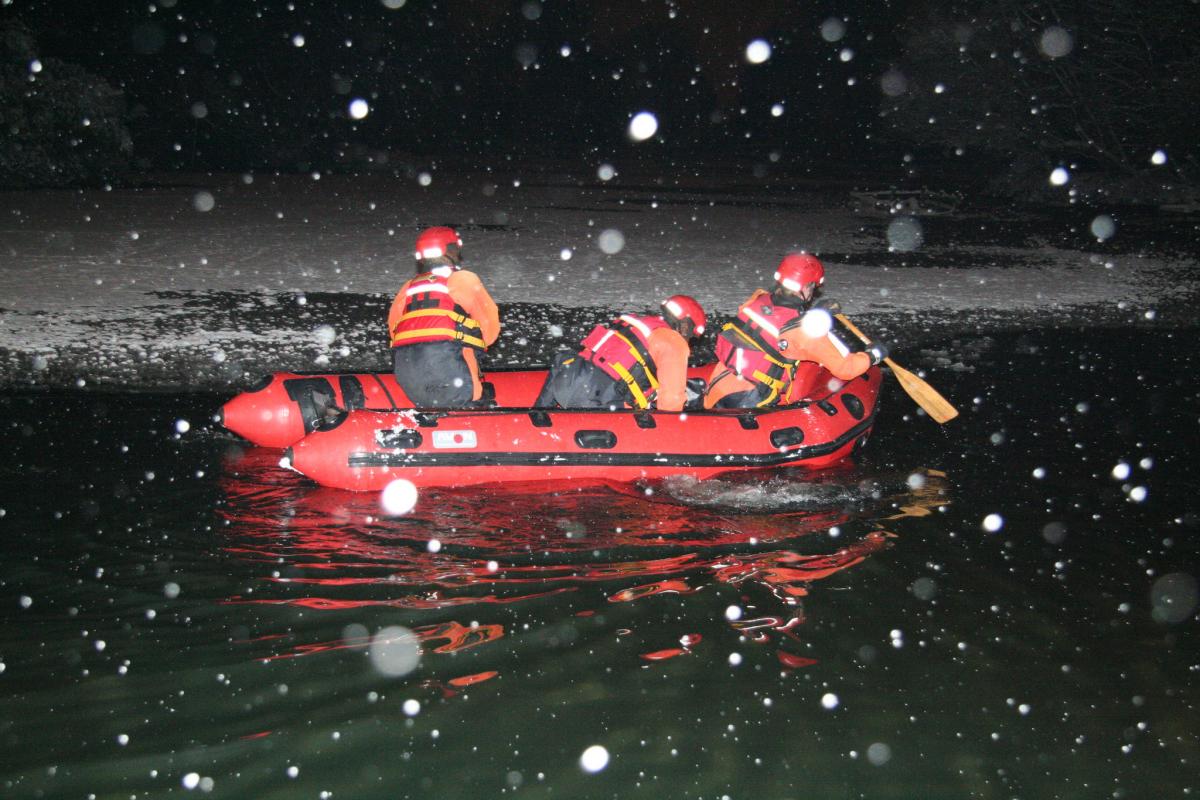
This enabled us to build on the longstanding case we have made for improved planning and resources, and for a clear statutory duty on the service to respond to incidents of major flooding. This is the case in Scotland and Northern Ireland but not yet in Wales or England.
Our research has ensured that we are regularly taking up the concerns of FBU members on the frontline. Since the floods of 2007, we have made progress on equipment and training, but more needs to be done. The statutory duty in Scotland and Northern Ireland has assisted the service.
Unfortunately, our campaign has not been assisted by a lack of consistency on the part of the Chief Fire Officers Association and the silence of the Local Government Association on the subject. The FBU has been the most consistent champion of our role in relation to major floods.
STEPHEN HUNT – AFTER THE INQUEST
The coroner investigating the death of Stephen Hunt has made a series of recommendations to the Home Secretary which will have implications for the whole of the fire and rescue service. We have summarised the findings in a recent all members circular which you can access here.
The FBU provided legal and technical assistance throughout the inquest and our legal team supported the bereaved family and our members who were affected by Stephen Hunt’s death.
The same mistakes keep being made over and over. It has to stop.
DAVEY HOPPER
A stalwart of the trade union movement, Davey Hopper, the long serving secretary of the Durham Miners’ Association and good friend to firefighters and the FBU, sadly died in July aged 73.
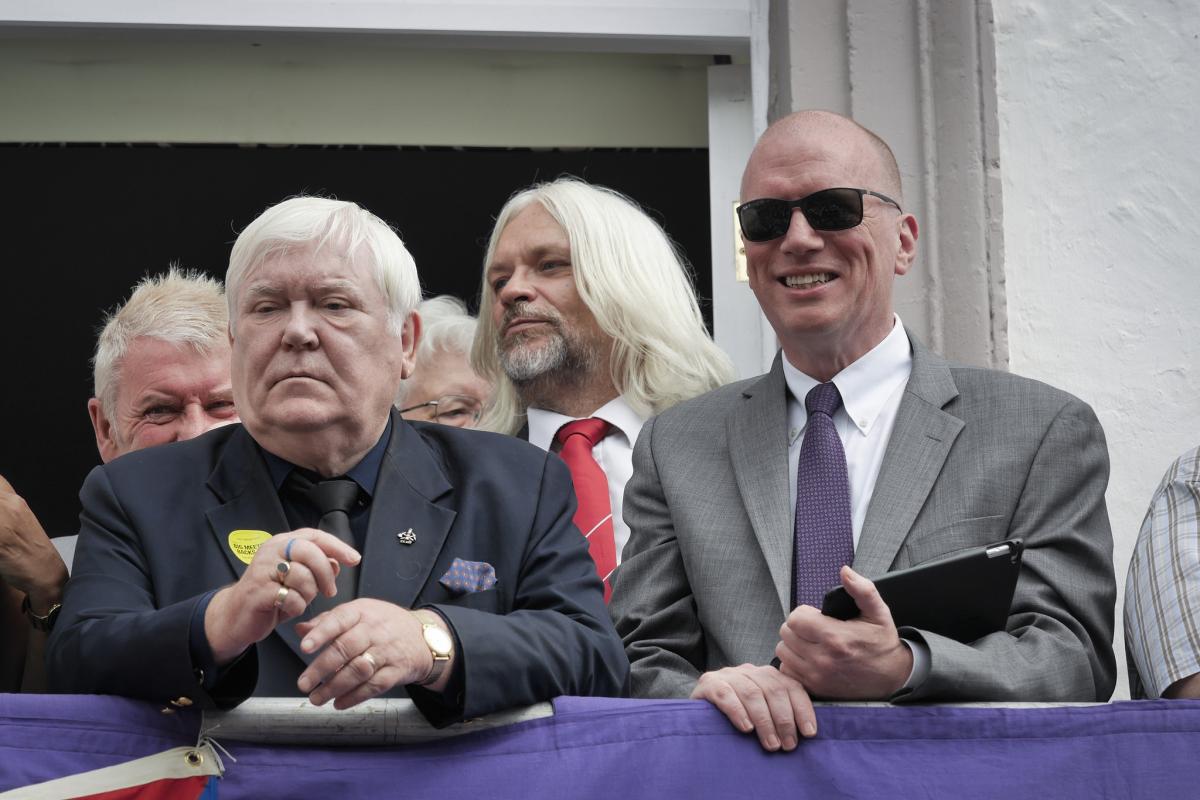
He will be missed – adios marra.

